
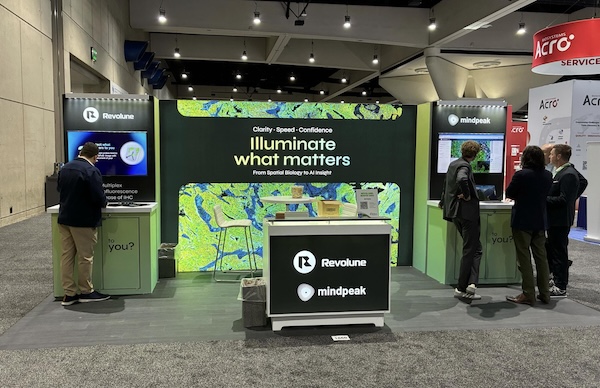
If you’ve ever arrived at a trade show only to find your screens won’t power on or your lighting rig is pulling too much amperage for the venue’s supply, you already know how quickly exhibit booth electrical problems can derail an otherwise well-planned display.
Power is one of those behind-the-scenes details that exhibitors tend to underestimate until something goes wrong in real-time. Getting your exhibit booth electric requirements sorted out well before move-in day is completely essential to protecting your investment and making your brand presence stand out on the show floor.
Why Exhibit Booth Electrical Planning Matters More Than You Think
The trade show floor is one of the most power-hungry environments in the events industry (so to speak). Walk any major convention hall and you’ll see LED animation or video walls, interactive demo kiosks, product lighting, AV systems, charging stations, and sometimes even full-scale kitchen appliances—each of them competing for power from a shared electrical grid managed by the venue and its electrical contractor. Every facility has its own rules about who can provide equipment, what types of cords are permitted, and how that power is distributed to individual spaces and booths.
This is why exhibit booth electrical planning has to begin during the design phase as opposed to after your booth is already built. The size of your display, the number of powered elements you intend to run, and the specific venue regulations will all shape what you need to order (and how much it will cost). Skipping this step often leads to expensive last-minute orders on the show floor where rates are typically much higher than advance order pricing.
How to Calculate Your Exhibit Booth Electric Load
Before you can place an electrical order, you need to understand the basics of what your display will actually draw. Start by listing every powered element your booth will include: video screens, monitors, LED lighting fixtures, laptops, charging stations, a refrigerator for product samples, audio equipment, interactive kiosks, you name it. Each item has a wattage rating, usually found on the product itself or in its documentation, so take note of those.
Add those wattages together to get your total load. From there, convert to amperage using the formula: amps equal watts divided by volts (most U.S. trade show venues operate on 110-volt circuits). It’s standard practice to add a buffer onto your calculated load to account for startup surges and any last-minute additions to the display you may incorporate later one.
For larger exhibits (specifically 20×20 configurations and above) this can translate into needing multiple dedicated circuits rather than a single 20-amp drop. Your exhibit booth electric order should account for each circuit individually, specifying where you need outlets positioned within the space. Placement matters: the back nine inches of most booths must remain accessible for electrical connections along the back wall, per most show standards working from standard industry guidelines.
What the Show’s Electrical Contractor Controls
One thing that surprises many exhibitors is how little control they have over who actually installs the power at the show; trade show venues typically contract with a designated electrical provider, and that company handles all wiring, outlet drops, and power distribution on the floor. You are not permitted to run your own power lines from the venue’s supply or use extension cords that don’t meet code requirements.
Per the IAEE Guidelines for Display Rules and Regulations, all 110-volt wiring must be grounded three-wire. Cords that contact the floor must be rated for “extra hard usage” (SO cord, minimum 14-gauge/three-wire). Zip cords, two-wire cords, and cube taps are not permitted. Any power strips you bring must be UL approved and include built-in surge protection. Understanding these rules before show day will save you from having a floor manager flag your setup during move-in.
Working with an experienced exhibit partner like Cardinal Expo means these details are all handled for you well in advance. Cardinal Expo’s coordination team reviews all third-party service requirements—including exhibit booth electrical orders—tracks discount deadlines, and places orders on your behalf so you’re not scrambling at the last minute.
Exhibit Booth Electric and Lighting: The Connection You Can’t Ignore
Your lighting strategy and your exhibit booth electric plan are for all intents and purposes pretty much inseparable. LED fixtures have become the standard choice for trade show displays because they draw significantly less power than older halogen options while producing excellent brightness. Some convention facilities have actually banned certain types of quartz halogen fixtures due to fire risk, so specifying LED from the start keeps you compliant at virtually every venue.
When designing your lighting layout, keep in mind that all fixtures must remain within the boundaries of your exhibit space. Lighting cannot project onto neighboring booths or into the aisle. If you’re planning a hanging light truss or overhead lighting system, your design drawings will need to be submitted to show management for approval ahead of time. For theater areas with reduced lighting, you’ll need sign-off from the organizer, the utility provider, and the facility—another reason to start the approval process early.
Specialized lighting effects such as rotating, pulsating, strobe, or laser lighting, must comply with facility rules and in some cases require written approval from show management. If any of this is part of your plan, factor it into your exhibit booth electrical order and your timeline.
Common Exhibit Booth Electrical Mistakes to Avoid
Below are just a few things to watch out for when building out your exhibit booth electric strategy.
1. Don’t Miss the Advance Order Deadline
Waiting until the advance order deadline passes among the most expensive mistakes exhibitors can make. On-site electrical orders at trade shows can cost two to three times the advance rate, and in some cases specific services simply won’t be available once the floor fills up. Get your exhibit booth electric order submitted as early as possible—many shows offer discount deadlines 30 or more days before move-in.
2. Avoid Under-Ordering on Tech
Another common issue is under-ordering. Exhibitors who order a single 20-amp circuit sometimes discover at setup that they need two, which means calling the electrical contractor during move-in when the floor is at its most chaotic. It’s almost always worth ordering slightly more capacity than you think you need.
3. Check Venue Specs on Equipment
Relying on consumer-grade extension cords or power strips from a big-box store is also a problem. Show management can and does require the removal of non-compliant equipment. Make sure everything you bring meets the venue’s cord and equipment specifications.
4. Test Your Electrical Assets Before the Show
Finally, don’t forget that electrical signs—backlit displays, LED channel letters, illuminated product showcases—must be in working order and compliant with the National Electrical Code. If your exhibit includes any of these elements, confirm they’ve been tested before they leave the warehouse.
Let Cardinal Expo Handle Your Exhibit Booth Electrical Coordination End-to-End
Managing exhibit booth electrical requirements is one of the more technical aspects of trade show planning, and it’s one of the areas where working with a full-service exhibit partner makes the biggest difference. Cardinal Expo has been building and managing trade show exhibits for over 28 years.
Our coordination team reviews your booth design, identifies every powered element, calculates load requirements, and submits your exhibit booth electric orders to the venue contractor before discount deadlines pass.
From the initial design phase through move-in, on-site supervision, and teardown, Cardinal Expo handles the details so your team can focus on the show itself. Whether you’re heading to a large industry convention or a regional expo, we’ll make sure your power is where it needs to be, compliant with facility rules, and ready when doors open.
Contact us today to start planning how we can help illuminate your next exhibit.
Contact Us Today
We at Cardinal Expo are here to answer any questions you may have, provide you with additional information, and create an effective solution for your exhibit needs.
"*" indicates required fields