
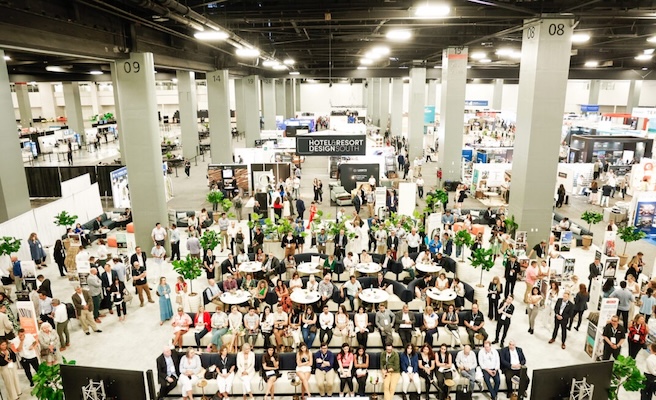
Best Booth Location in an Exhibition Floor Plan
You’ve invested in a well-designed trade show booth: the graphics are sharp, the structure is solid, and your team is ready to make an impression. But there’s one decision that can determine how many conversations you actually end up having at the show: where your booth sits on the floor plan. Choosing the best booth location in an exhibition floor plan is a strategic call that deserves just as much attention as your booth’s design itself.
With three decades of experience in the industry, we’ve broken down the most important factors to weigh when selecting your spot to stand out from the crowd.
Why Finding the Best Booth Location in an Exhibition Floor Plan Matters
Every booth in exhibition spaces competes for foot traffic. Attendees don’t walk the entire floor at equal pace; they slow down, cluster, and follow patterns. Near certain anchors they stop entirely. Exhibition organizers and exhibitors routinely analyze attendee circulation, engagement, and exhibition floor interactions because traffic patterns directly affect exhibitor outcomes. The result is that two booths of identical size and quality can produce dramatically different lead counts simply based on where they’re placed.
That’s why experienced exhibitors don’t just ask what a spot costs; they ask what that spot does for them. The square footage is the same, but the opportunity is not. Here are a few of the most important location factors to consider when you’re evaluating the best booth location in an exhibition floor plan.
Near Entrances and Exits
For shows with a limited number of ways into the exhibit hall, positioning a booth in exhibition near the main entrance is one of the highest-value moves available. Attendees arrive energized, they haven’t made commitments yet, and your brand is one of the first they encounter.
The key qualifier is “limited entrances.” At a major convention center with four or five entry points spread across the floor, an entrance location loses some of its punch — you’ll capture the crowd flowing through that entrance, but miss everyone else. When there’s one primary way in and out, though, being nearby is almost always worth the premium.
Exit proximity is also worth considering. Attendees who’ve finished walking the floor often feel the pressure lift, and some are more willing to stop and have a real conversation on their way out.
Near Dining Areas, Maps, and High-Traffic Anchors
Communal dining areas create natural gathering points. People slow down, sit, and linger, and if your booth in exhibition sightlines remains visible from where they’re eating, your graphics are doing work even while attendees take a break. This is especially effective when your booth is designed to face toward the dining space, making the most of passive visual exposure.
Welcome centers, show maps, and directional kiosks are another strong option. These are high-traffic areas by design and attendees gravitate to them when they’re still getting oriented, which means a steady, consistent stream of people passing through. Unlike entrances (which spike at open), these locations tend to perform well throughout the day.
Bathrooms are a more nuanced case. The traffic is there, but not every brand finds the association appealing. Some companies have had great success with these spots; others feel it undercuts their premium image. It comes down to your brand’s personality and what kind of environment you want to create around your booth.
Near Complementary Businesses
One of the more underrated strategies for finding the best booth location in an exhibition floor plan is positioning next to or in between complementary companies; businesses that serve similar customers but don’t compete directly with you.
The logic is straightforward. Their attendee traffic becomes your attendee traffic, without the visual tension of standing next to a direct competitor. If they’re doing well, you benefit. And there’s a natural referral dynamic that can emerge when booth neighbors share a common audience.
This tends to outperform the alternative (being placed next to a big-name competitor in your direct space) for one important reason: when you’re side by side with a larger, more established player, the visual comparison is instant. If your booth doesn’t match their presence in scale and quality, attendees draw conclusions quickly. That’s not a reason to avoid larger neighbors entirely, but it is a reason to think carefully before treating proximity to industry giants as a guaranteed win.
Near Big Industry Names: A Double-Edged Sword
There’s real appeal to placing a booth in exhibition next to one of the major players in your field. Their name draws a crowd, and if you can convert even a fraction of that crowd, you’ve made the positioning work.
The risk, however, is contrast. Convention floors are visual environments, and attendees are constantly making rapid comparisons. If your booth looks underfunded, understaffed, or smaller than expected standing next to a category leader, that contrast can actually hurt your brand perception rather than help it.
The move is only worth making if your booth shows up boldly. If your company is investing in a well-designed, well-staffed presence (and your booth reflects that investment) then capturing overflow traffic from a big neighbor is a smart tactic. But showing up with a modest display next to a competitor’s flagship booth is a situation worth avoiding.
Load-In Logistics: What to Know About Construction in Regards to Floor Plan
When evaluating the best booth location in an exhibition floor plan, most exhibitors focus entirely on foot traffic. Fewer think about what happens before the show opens — and that’s where logistical differences between spots can matter.
The good news: generally speaking, no single location on the exhibition floor is meaningfully harder to build in than another. The layout itself doesn’t create major construction advantages or disadvantages from one spot to the next.
What can make a difference is something called a targeted load-in schedule. Many large venues manage the flow of setup crews by staggering which sections of the floor can start work and when. If your spot falls in an early build window, you’ll have maximum time to work with. If your window is tight, your build crew faces real pressure to get everything up and running before the show opens.
This is something to plan for, not panic about. With proper scheduling and an experienced team managing your installation, a compressed build window is very manageable. The key is knowing your load-in window in advance, coordinating your crew accordingly, and having a clear plan for getting the booth built on time without cutting corners. At Cardinal Expo, our on-site supervisors work directly with labor teams through every stage of setup, so that when the clock is tight we’re already prepared.
How to Choose the Right Booth Location for Your Brand
No single factor determines the best booth location in an exhibition floor plan on its own. The right spot depends on your goals, your booth’s size and design, your budget, and who else is exhibiting. A few questions worth working through:
What does your booth look like compared to your neighbors? If you’re investing in a strong 20×20 presence, being near larger competitors is a viable tactic. If your display is modest, being near complementary brands is probably a better move.
What kind of traffic does the show produce? Not all foot traffic is equal. Attendees near the entrance are fresh and open to discovery. Attendees near dining areas are resting but receptive. Attendees near maps are actively navigating and may be more purposeful. Knowing the show’s layout and how attendees typically move through it helps you choose accordingly.
What’s your build schedule? If you’re in a targeted load-in zone with a narrow window, make sure your build team knows and is ready to execute efficiently.
Work With Our Experienced Booth Builders at Cardinal Expo
Choosing where to put your booth in exhibition floor plans is a decision that defines your overall expo success. A good location gives your team more chances to have conversations, more visibility for your graphics, and more exposure to the attendees who are most likely to become customers. A bad location makes every other investment work harder for fewer results.
The good news is that with the right partner, you don’t have to figure this out alone. Cardinal Expo’s team has decades of experience helping exhibitors plan, build, and execute at trade shows across the country. From selecting your spot to getting your booth up on time, we’re with you every step of the way. Ready to talk through your next show? Contact our team today.
Contact Us Today
We at Cardinal Expo are here to answer any questions you may have, provide you with additional information, and create an effective solution for your exhibit needs.
"*" indicates required fields